A Prayer for Delia
We are gathered here today
as a congregation of beloved souls
who know not the extent
of the love bestowed
upon us before we were outlined
a shadow in the womb, before the brethren
to whom we are beholden breathed into us, before
and after we were broken and broke
the fragile glass upon which our existence is
perched.
Even when we find ourselves in the darkness,
the darkness is not who we are.
We are not without love
the way that trees cannot
without roots.
Even when we are in the spaces between
the forest trees know about us,
the dark is because there are
limbs above us shading our brows reaching
heavenward on our behalf and there are fallen
limbs supine on the ground
prostrating in tongues
we know not, giving themselves back
to the land from which they came.
There is silent growing stronger beneath.
Showing posts with label poetry. Show all posts
Showing posts with label poetry. Show all posts
8.18.2014


12.15.2013
this is tree pneumatika
Inspired by a conversation about carpentry and a sermon I heard at church about resurrection, I wrote this poem on the BART, on the way to work last Monday 12/9. I typed it up at work at lunchtime. I haven't written poetry in a long time, but this one felt natural and easy, like a wind that gently blew out of my body and into words.
pneuma is an ancient Greek word for breath, a person’s vital, spirit, soul, and psyche.
pneuma is “air in motion, breath, and wind.”
pneumatika is the expression of the Spirit, the Spirit that breathes life.
t r e e p n e u m a t i k a
You could say a tree has one thousand lives,
or one thousand years before it dies,
or one thousand ways to be made into something new.
Maybe it has just one: one soul,
one thought of where it will go,
one prayer spanning endless time,
one perfect breath beginning where it will end,
dwelling in a body that cannot contain itself,
strength not in how well it stands
or how wide it grows,
but in how it resurrects new bodies, in new places,
in wisdom, here on earth, and in the sky.
Here is the seed that flew out from under its own,
sprinkled like ashes in this cremation grove.
How did it arrive
and where did it come from?
The fluke of fallen fruit, the whim of whispering winds.
It makes a bed of the earth,
and in the secret of time and grace,
awakens from the ground, inspired divinity.
How it grows upward, not forward,
looks, moves towards heaven.
It is the closest thing to a celestial body here on earth:
its remembering roots say ‘I am here on earth.’
When one day it falls,
there is no mourning.
Only a silence where it once stood.
Its sinews soften, sallow, sunken in,
every posture a stillness.
One day it is made into something new:
its wrinkles a maker’s mark,
in our hands, a remnant of glory,
no longer fallen, but an orphan we steward,
a breath we once breathed in, we now breathe into,
came from the ground, grew, rose, and died.
Now risen again.
Age no more; grief, a witness; joy it quietly bears.
Neither slumber nor nostalgia changes course.
Here a table, there a chair.
Here we feast upon its naked core.
Once a seed, now a feat.
Here we coax music out of its heart.
The silent timbre of its divined death
stood ringing humbly in a holy breath.
NJS 12.09.13
pneuma is an ancient Greek word for breath, a person’s vital, spirit, soul, and psyche.
pneuma is “air in motion, breath, and wind.”
pneumatika is the expression of the Spirit, the Spirit that breathes life.
t r e e p n e u m a t i k a
You could say a tree has one thousand lives,
or one thousand years before it dies,
or one thousand ways to be made into something new.
Maybe it has just one: one soul,
one thought of where it will go,
one prayer spanning endless time,
one perfect breath beginning where it will end,
dwelling in a body that cannot contain itself,
strength not in how well it stands
or how wide it grows,
but in how it resurrects new bodies, in new places,
in wisdom, here on earth, and in the sky.
Here is the seed that flew out from under its own,
sprinkled like ashes in this cremation grove.
How did it arrive
and where did it come from?
The fluke of fallen fruit, the whim of whispering winds.
It makes a bed of the earth,
and in the secret of time and grace,
awakens from the ground, inspired divinity.
How it grows upward, not forward,
looks, moves towards heaven.
It is the closest thing to a celestial body here on earth:
its remembering roots say ‘I am here on earth.’
When one day it falls,
there is no mourning.
Only a silence where it once stood.
Its sinews soften, sallow, sunken in,
every posture a stillness.
One day it is made into something new:
its wrinkles a maker’s mark,
in our hands, a remnant of glory,
no longer fallen, but an orphan we steward,
a breath we once breathed in, we now breathe into,
came from the ground, grew, rose, and died.
Now risen again.
Age no more; grief, a witness; joy it quietly bears.
Neither slumber nor nostalgia changes course.
Here a table, there a chair.
Here we feast upon its naked core.
Once a seed, now a feat.
Here we coax music out of its heart.
The silent timbre of its divined death
stood ringing humbly in a holy breath.
NJS 12.09.13
11.19.2013
this is kale for winter survival
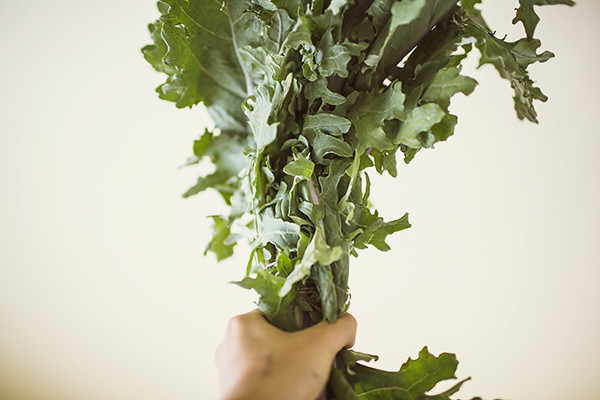
Winter is coming quickly. The wind's edges are sharper, dusk falls earlier, and the golden light fades into a grey palette. The arrival of winter has never been easy for me. This became especially true when I moved to New England from California and learned the importance of wool socks and leather gloves for the first time. From November through April, until all the snow had finally thawed and we could go down to the Charles River and sunbathe in what felt like a tropical 60 degrees, winter swaddled my mind and my heart. Sometimes it felt more like smothering.
It takes a hardy Californian to bear the tantrums of New England winter. One winter I made a nightly routine of drinking hot chocolate and eating a big bowl of popcorn while listening to Joni Mitchell's Blue on repeat. In our living room, my best friend and I would lay in our hammock (our "couch") together or paint and re-paint our coffee table, whose layers of pigment were like the growth rings of redwood trees, histories of sadness and joy.
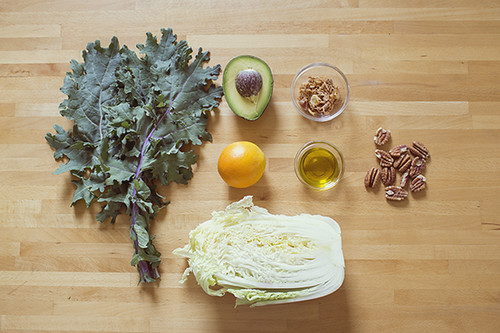
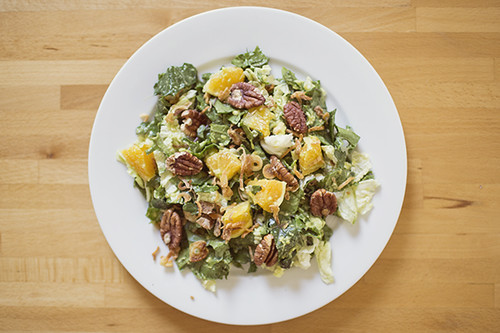
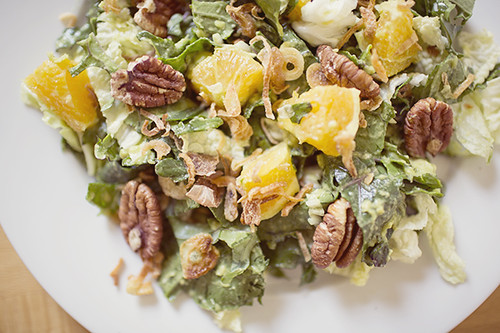
Read the rest of this post at Eat This Poem, where I guest-posted last week about Jordan Davis' poem "Kale" and my favorite little espresso bar in the Mission. There's a recipe for the best kale salad ever too!
10.09.2013
this is the dying of the light
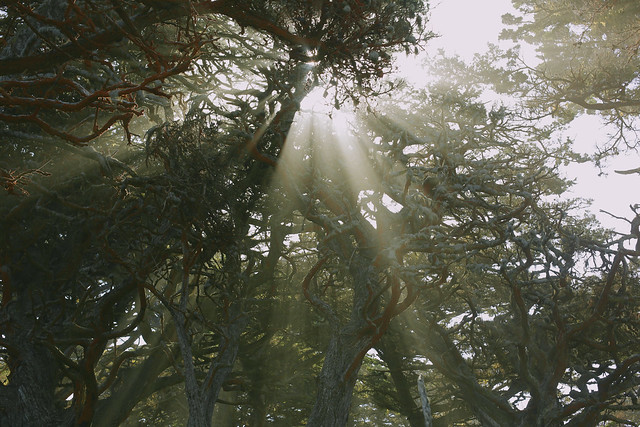
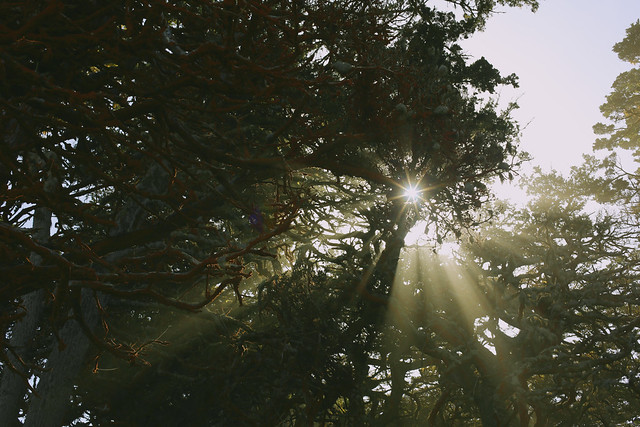
sunlight moves through me
the car sails thrusting forward
a matador's cape
(Point Lobos, February 2013)
Subscribe to:
Posts (Atom)